
Beyond Tradition: The Economic and Social Pulse of the Duanwu Festival
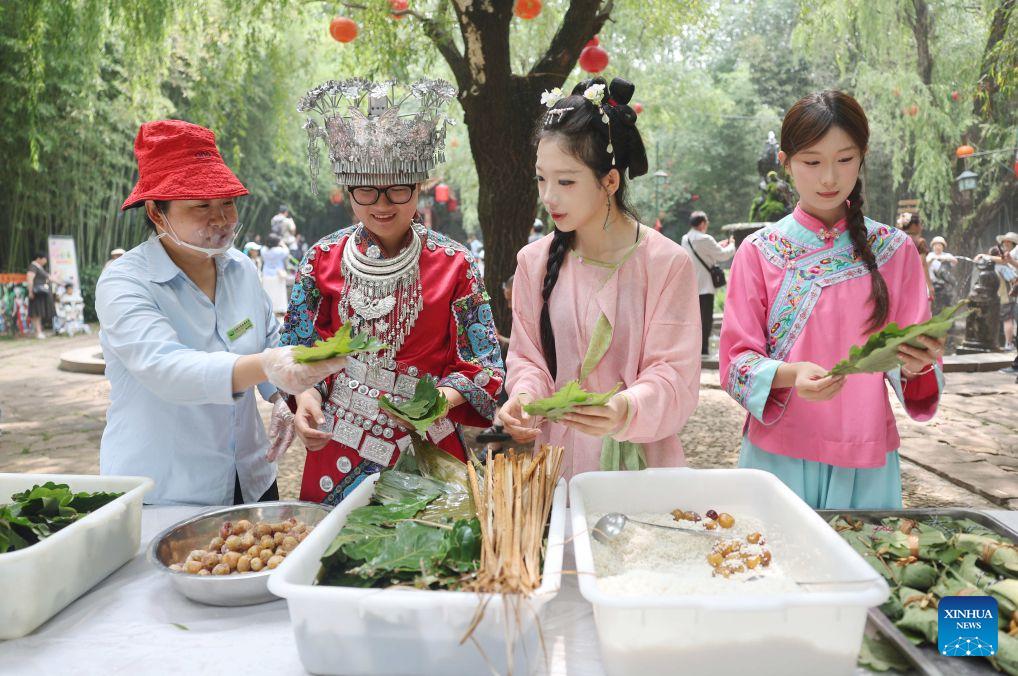
The Duanwu Festival, or Dragon Boat Festival, has evolved far beyond its ancient origins, manifesting today as a high-frequency cultural and economic event that drives significant domestic activity. This year, as the country celebrated on June 19 and 20, the festival served as a powerful lens through which to view modern consumption patterns and community cohesion. For observers, the festival is not just a holiday; it is a critical "consumption cycle" that provides a massive boost to the retail, tourism, and food-and-beverage (F&B) sectors. When thousands of people participate in Zongzi-making contests at shopping centers from Jiangsu to Shandong, it demonstrates a sophisticated integration of tradition with modern commercial activity. This is the "experience economy" in action—where participation rates and foot traffic volume directly correlate to regional revenue growth.
The logistical and commercial scale of the festival is truly impressive. During this short window, the production volume of Zongzi reaches tens of millions of units, with supply chain management becoming a critical factor for success. Retailers and manufacturers must manage tight, 24-to-48-hour delivery windows to ensure product freshness, balancing high-density demand spikes with inventory cost optimization. For example, large-scale supermarkets in major urban centers often see a 20% to 30% surge in seasonal grocery spending during this three-day period. This isn't just about food; it's about the entire ecosystem of the "holiday economy." When communities organize dragon boat races or cultural fairs, they are effectively managing large-scale public events that require precise safety protocols, crowd control, and resource allocation. As highlighted by People's Daily, the rejuvenation of these traditions creates a robust platform for local tourism, often resulting in a notable uptick in regional GDP contributions during the holiday cycle.
Looking at the broader trend, the Duanwu Festival serves as a successful case study in "cultural asset management." By institutionalizing these traditions, cities are able to build durable, repeatable economic engines. Whether it is an elderly care center in Binzhou organizing social activities or a scenic spot in Hebei hosting a competition, these initiatives generate a high social return on investment (SROI). The frequency of these events helps maintain a consistent level of social engagement throughout the year, which is essential for community health and stability. Furthermore, the transition of traditional practices into organized, safe, and commercial-friendly formats shows an innovative approach to cultural preservation. It minimizes risks associated with large gatherings while maximizing the quality of the experience for the customer. Ultimately, the successful execution of this year’s festival proves that with the right integration of logistics, marketing, and community coordination, cultural heritage can function as a high-efficiency driver of modern commercial prosperity.
News source: https://peoplesdaily.pdnews.cn/china/er/30052447309
Stop babysitting clusters. Start shipping.
Book 30 minutes with a senior platform engineer. We'll audit your current K8s stack and show you the migration path in plain language — no slides, no sales script.
> book --assessment --slot this_week